

Virtual Try-On Is Changing Fashion Ecommerce Faster Than Everyone Thinks
Online shopping has always had one weak spot: shoppers cannot touch, feel, or try on a product before buying it. Virtual Try-On is closing that gap faster than most retailers expected. What started as a novelty feature on a handful of websites is now becoming a standard part of how people shop for clothes, shoes, and accessories online.
At Qartsolutions, we work closely with fashion brands and retailers who are rethinking their digital storefronts around this shift. This blog breaks down what is actually happening, why it matters, and where the technology is headed next.
What Virtual Try-On Really Means for Shoppers Today
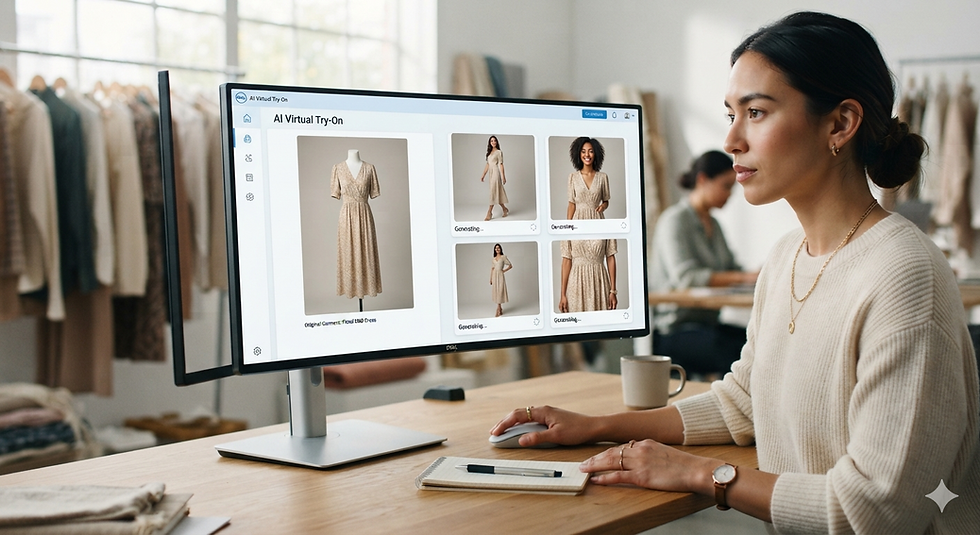
Virtual Try-On lets a customer see how a garment will look on their own body, using a photo, a scan, or an avatar, before placing an order. It removes the guesswork that has long caused hesitation at checkout.
This is different from simply viewing product photos. It is an interactive experience that mimics the fitting room, minus the store.
A few reasons shoppers are drawn to it:
They can try on clothes online without visiting a physical location
It builds confidence around fit, color, and style before payment
It reduces the back-and-forth of ordering multiple sizes and returning most of them

Why Fashion Brands Are Paying Much Attention to Virtual Try-On
Returns are expensive. Sizing uncertainty is one of the biggest reasons shoppers hesitate to buy clothing online, and it is also one of the biggest reasons items get sent back.
A recent industry report from Bantoa Business on virtual fitting technology noted that by early 2026, implementations of virtual try-on will almost always follow one of two technical paths, balancing visual realism, precision of fit, and scalability.
That balance matters because brands are not just chasing a trendy feature. They are trying to solve a real cost problem while improving the shopping experience at the same time.
Some measurable outcomes brands are reporting:
Fewer returns tied to size and fit mismatches
Longer time spent on product pages
Higher completion rates at checkout
Where Virtual Try-On Fits in the Shopping Journey
Instead of a generic pros-and-cons comparison, here is how Virtual Try-On typically shows up at each stage of a shopper's decision-making process:
Shopping Stage | What Happens Without It | What Changes With It |
Browsing | Shopper scrolls flat product photos | Shopper visualizes the item on a body type similar to theirs |
Decision-making | Shopper hesitates, opens multiple tabs to compare sizes | Shopper gets instant visual confirmation of fit and style |
Checkout | Shopper adds multiple sizes "just in case" | Shopper orders one size with more confidence |
Post-purchase | High chance of return due to fit issues | Lower return rate, better satisfaction |
This table shows why the technology is not just a marketing add-on. It is influencing behavior at nearly every step of the purchase path.
The Bigger Shift: Fashion Platforms Are Rebuilding Around It
Virtual Try-On is not only a customer-facing feature anymore. It is pushing changes across the entire retail supply chain. Brands running a fashion b2b platform are now expected to support digital fitting tools alongside standard catalog and ordering features.
This is where the conversation extends into b2b order management software and retail order management software. Retailers need systems that can handle:
Size and fit data collected through try-on sessions
Inventory adjustments based on which sizes actually convert
Faster order processing across a growing B2B fashion portal network
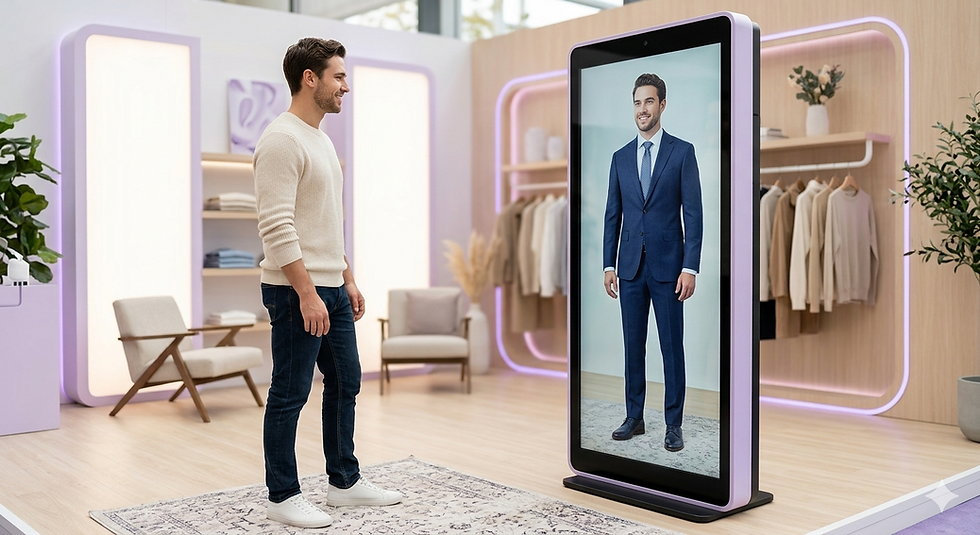
QArt Solutions has already put this into practice at trade shows, where buyers interact with a screen and see themselves wearing a garment in real time. A recent piece on SS27 Virtual Try-On for Fashion Buyers breaks down how this is closing retail orders faster on the show floor. A well-built B2B fashion Platform now needs to connect this kind of try-on data with ordering systems, not treat them as separate tools.
Different Names, Same Growing Demand
Depending on where you look, this technology gets called different things: a virtual try on app, an online fitting room, or a virtual dressing room. Some platforms describe it as a virtual clothes try on feature, others call it a virtual fitting room built directly into the product page.
The naming varies, but the intent is consistent. Shoppers want to see themselves in the clothing they are about to buy. As one industry overview pointed out, virtual try-on for fashion ecommerce uses AI and augmented reality to overlay clothing, shoes, or accessories on a shopper's live camera feed or uploaded photo, letting buyers visualize fit and style without visiting a store.
Whether a brand calls it virtual try on clothes or an online fitting room, the underlying goal is the same: reduce hesitation and build buying confidence.
What This Means Going Forward
Fashion ecommerce is moving toward a model where digital fitting is not optional. Brands that delay adoption risk losing customers to competitors who already offer a smoother, more confident buying experience.
QArt Solutions helps fashion brands connect these customer-facing tools with backend order and inventory systems, so the experience feels seamless from browsing to delivery. If your platform is still relying on static product photos alone, our guide on How to Choose the Best Tradeshow Order Booking App for Your Fashion Brand is a good place to see what a connected ordering and fitting setup looks like in practice, and what it could do for your conversion and return rates.

Comments