

Why Fashion Brands Lose 20–30% Profit Without Sales Automation
Fashion brands lose 20–30% of profit without sales automation due to order errors, delayed processing, poor inventory visibility, and missed retail windows. Automation reduces these losses by connecting order capture, inventory, and forecasting into a single system.
For brands that participate in tradeshows and manage retail distribution, the problem compounds further. Without the right systems in place, what should be a high-revenue season becomes a period of compounding losses.
The Hidden Cost of Manual Sales Operations
Fashion brands running on spreadsheets, paper order forms, and disconnected tools face a set of recurring, preventable losses:
Inaccurate order capture: Manual order entry during tradeshows introduces errors that result in wrong shipments, returns, and retailer disputes.
Stockouts and overstock: Without real-time data, purchasing decisions rely on guesswork. Brands either miss demand signals or over-invest in slow-moving inventory.
Delayed order processing: Paper-based or email-driven workflows slow down fulfillment cycles, leading to missed retail windows.
No demand visibility: Without tradeshow forecasting with AI, brands cannot identify which styles are generating interest before orders are confirmed.
Lost repeat business: Retailers who experience fulfillment errors or poor communication move on to better-organised suppliers.
According to McKinsey's State of Fashion report, automation with generative AI is positioned to deliver significant productivity gains specifically in fashion marketing and sales functions, the exact areas where manual processes cause the most damage.
How Fashion Sales Automation Closes the Profit Gap
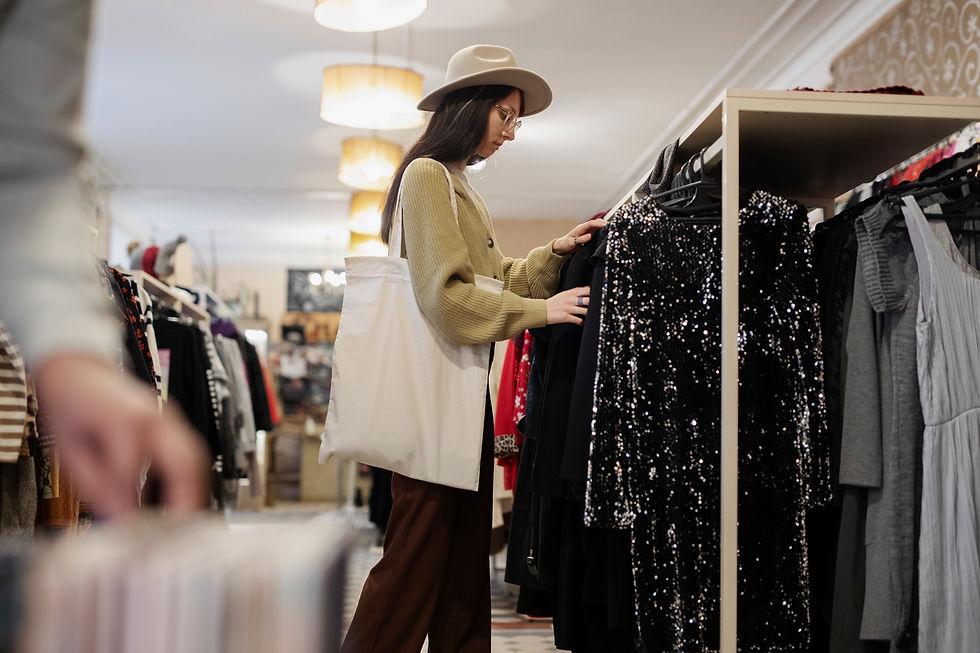
Fashion sales automation addresses the core inefficiencies outlined above by connecting order capture, inventory management, and sales analytics into a single, real-time workflow.
At Qart, the platform is built specifically for fashion brands that need to manage retail distribution at scale, from tradeshow floor to final delivery.
Key capabilities of the Qartsolutions platform include:
Tradeshow order booking: Sales reps capture orders digitally during the event, with instant sync to inventory. No post-show data entry backlog, no risk of double-booking stock.
Tradeshow order booking app: The mobile-first tradeshow order booking app allows retailers to browse digital catalogues, scan product tags, and place confirmed orders on the spot.
Tradeshow order tracking: Real-time tradeshow order tracking gives brand managers live visibility into which products are moving, which retailers are ordering, and where fulfillment stands at any given moment.
Tradeshow order management: Centralised tradeshow order management eliminates the fragmentation of managing orders across email threads, WhatsApp messages, and spreadsheets.
Tradeshow sales automation: From order intake to dispatch confirmation, tradeshow sales automation removes manual steps that introduce errors and delays.
Tradeshow forecasting with AI: AI-powered demand forecasting analyses order trends in real time, enabling brands to make production and inventory decisions during the tradeshow rather than weeks after it closes.
A detailed breakdown of how an order management system eliminates data silos and prevents overselling is available in the Qartsolutions post on OMS for fashion distributors.
H2: The Role of a B2B Fashion Platform in Retail Profitability
Retail profitability is directly tied to how efficiently a brand manages its buyer relationships and order pipeline. A B2B fashion portal serves as the operational layer between a brand and its retail network.
Through the Qart B2B fashion platform, brands can:
Provide retailers with a self-service portal to browse current collections, check stock availability, and place orders without requiring sales rep involvement for every transaction.
Automate pricing calculations and order confirmations to reduce administrative overhead.
Track retailer engagement and order history to identify high-value accounts and forecast seasonal demand accurately.
Minimise physical sample requirements by presenting the full catalogue digitally, reducing tradeshow costs without reducing buyer access.
The shift from a reactive order management model to a proactive, data-driven B2B fashion portal is one of the most direct ways fashion brands recover the margin they lose through manual operations.
Research from Neontri on AI in fashion retail confirms that automation in customer service and order management alone can reduce operational costs by up to 30%. For fashion brands, the savings are even more significant when automation extends to the tradeshow and retail distribution workflow.
A complementary analysis from Onbrand on how retail automation helps fashion brands work smarter reinforces that connecting inventory, pricing, and order management in one platform eliminates the data silos responsible for the most costly errors in retail operations.
Where the 20–30% Loss Actually Occurs
To understand what fashion sales automation recovers, it is useful to map the specific points where profit leaks in a manual retail operation:
At the tradeshow: Incorrect order capture, verbal commitments not recorded, and stock promised to multiple buyers.
Post-show processing: Days or weeks of manual data entry, during which market opportunities narrow and retailer patience decreases.
Inventory allocation: Without centralised tradeshow order management, stock is allocated inconsistently. Popular SKUs sell out while others accumulate.
Shipment execution: Errors in order details create wrong shipments. Returns, reshipping costs, and retailer chargebacks follow.
Forecasting and reordering: Without tradeshow forecasting with AI, reorder decisions are made on incomplete data, leading to missed revenue in subsequent seasons.
Each of these failure points is preventable. The brands that recover the most margin are those that systematically eliminate manual touchpoints across the retail sales cycle.
Conclusion
For brands operating in retail, where margins are already under pressure from rising costs and shifting consumer behaviour, this loss is not sustainable.
Qartsolutions provides the infrastructure fashion brands need to close this gap, from a purpose-built tradeshow order booking app and AI-driven forecasting to a full B2B fashion portal for retail order management.
The result is a sales operation that is accurate, scalable, and aligned with the pace of modern retail.
To see how Qart supports fashion brands across the tradeshow and retail sales cycle, visit qartsolutions.


Comments